Class 1 Worksheet on Antonyms Word Practice

Class 1 Worksheet on Antonyms Word Practice
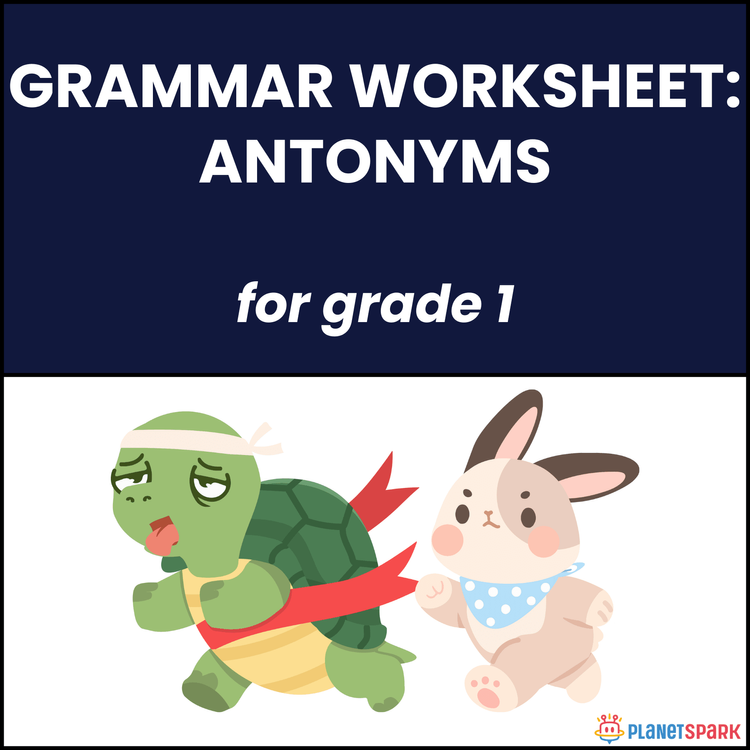
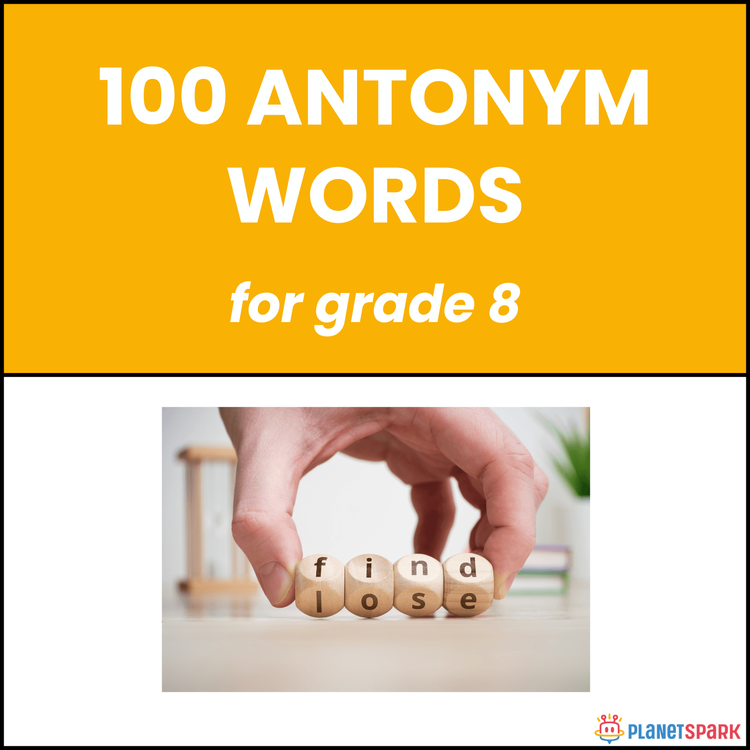
Opposites Made Easy: 100 Antonym Starters for Grade 1
This Grade 1 worksheet introduces young learners to 100 simple antonym words that build early vocabulary confidence. With clear prompts and one-word responses, children learn how opposite words work through repetition and familiar examples. The worksheet includes neatly organised sections of fill-in-the-blanks where each word needs its antonym written alongside, helping students recognise contrast in meaning.
Designed for beginners, this resource strengthens word identification, supports sentence formation later, and boosts comprehension skills in an age-appropriate way. The list moves from basic everyday words like hot–cold and big–small to slightly advanced adjectives that gently stretch vocabulary while staying suitable for Grade 1 learners.
Parents and teachers can use this worksheet for practice, revision, or vocabulary reinforcement at home or in the classroom. Its structured format makes learning engaging and confidence-building for early graders.
Exercise – Write the Antonym
Answer Key:
1. Hot – Cold
2. Light – Dark
3. Fast – Slow
4. Happy – Sad
5. Strong – Weak
6. Big – Small
7. Young – Old
8. Ancient – Modern
9. Alive – Dead
10. Joyful – Gloomy
11. Proud – Ashamed
12. Brave – Cowardly
13. Calm – Agitated
14. Deep – Shallow
15. Empty – Full
16. Flexible – Rigid
17. Genuine – Fake
18. Hard – Soft
19. Ill – Healthy
20. Kind – Cruel
21. Loud – Quiet
22. Mature – Immature
23. Narrow – Wide
24. Optimistic – Pessimistic
25. Quick – Slow
26. Lazy – Active
27. Day – Night
28. Boy – Girl
29. Sharp – Dull
30. Useful – Useless
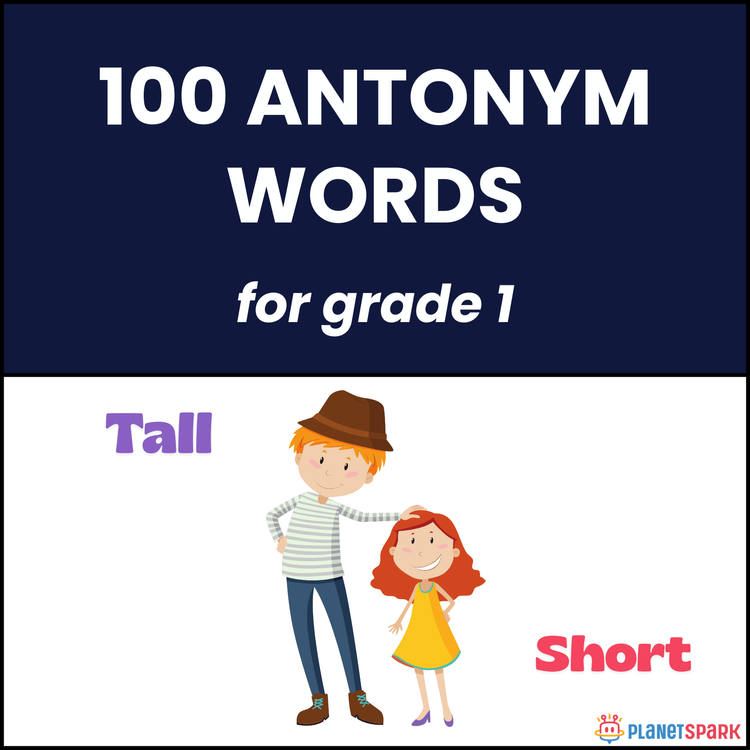
31. Tall – Short
32. Warm – Cool
33. Rare – Common
34. Visible – Invisible
35. Youthful – Aged
36. Bold – Timid
37. Active – Inactive
38. Dry – Wet
39. Elegant – Clumsy
40. Fierce – Gentle
41. Sweet – Bitter
42. Equal – Unequal
43. Head – Tail
44. Distance – Proximity
45. Brother – Sister
46. Mother – Father
47. Rude – Polite
48. Obvious – Hidden
49. Quiet – Noisy
50. Dull – Bright
51. Jolly – Gloomy
52. Busy – Idle
53. Neat – Messy
54. Tidy – Untidy
55. Minor – Major
56. Weak – Strong
57. Valuable – Worthless
58. Zero – One
59. Humble – Proud
60. Dim – Bright
61. Bare – Covered
62. Full – Empty
63. Tender – Tough
64. Strong – Weak
65. Rigid – Flexible
66. Bold – Shy
67. Vivid – Dull
68. Wide – Narrow
69. Famous – Unknown
70. Grand – Plain
71. Humble – Arrogant
72. Naughty – Obedient
73. Bad – Good
74. Girl – Boy
75. Asleep – Awake
76. Seen – Unseen
77. Scattered – Gathered
78. Crowded – Empty
79. Awake – Asleep
80. Yearly – Monthly
81. Odd – Even
82. Novel – Familiar
83. Pale – Dark
84. Zonal – Global
85. Steady – Unsteady
86. Tragic – Joyful
87. Abundant – Scarce
88. Wild – Tame
89. Beautiful – Ugly
90. Stable – Unstable
91. Humble – Proud
92. Naughty – Well-behaved
93. Bad – Good
94. Girl – Boy
95. Asleep – Awake
96. Seen – Hidden
97. Scattered – Collected
98. Crowded – Spacious
99. Awake – Sleeping
100. Yearly – Daily
Help your child master opposite words and boost early grammar skills with a fun learning experience today.
🔖Book a free trial!
Frequently Asked Questions
Antonyms are opposite-meaning words that help early learners expand basic vocabulary.
They look for words that show reverse meanings, like big–small or hot–cold.
They build word awareness and help children describe things more clearly in daily speech.