Class 6 Worksheet on Antonyms Word Mastery
Class 6Free DownloadPDF

Shreyosee SarkarVisit Profile
I’m a passionate educator who loves working with children and helping them learn and grow. With a strong background in law and a natural inclination toward teaching, I aim to make learning both meaningful and enjoyable. Guiding young minds, nurturing curiosity, and watching them develop confidence is what truly inspires me every day.

Class 6 Worksheet on Antonyms Word Mastery
Class 6Free DownloadPDF
Shreyosee SarkarVisit Profile
I’m a passionate educator who loves working with children and helping them learn and grow. With a strong background in law and a natural inclination toward teaching, I aim to make learning both meaningful and enjoyable. Guiding young minds, nurturing curiosity, and watching them develop confidence is what truly inspires me every day.
Opposites for Expression: Advanced Antonym Builder for Class 6
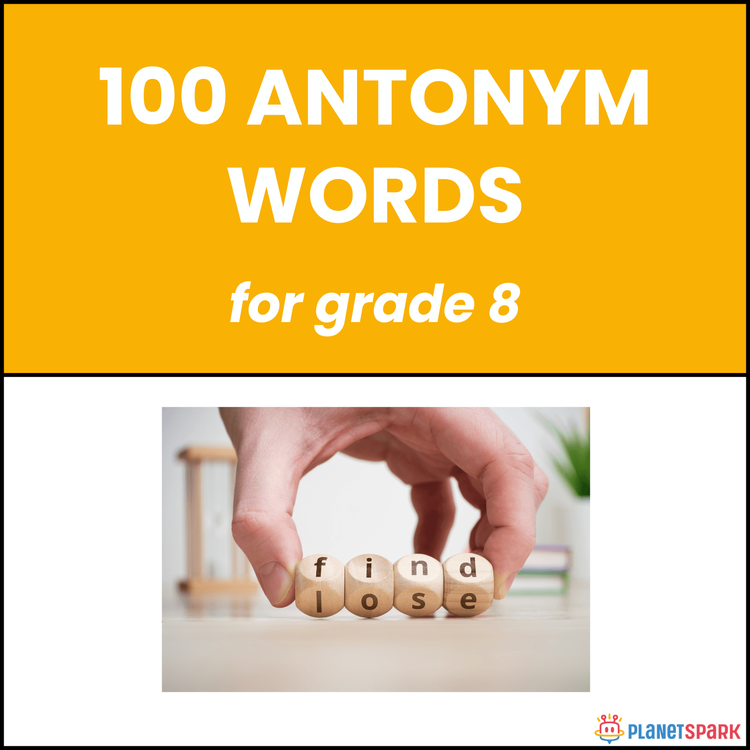
This Grade 6 worksheet strengthens higher-level vocabulary skills by guiding students through 100 carefully selected antonym words. Learners write the opposite of each given word, helping them explore contrast, refine meaning, and expand their expressive range across subjects.
The worksheet includes meaningful academic and descriptive terms such as patient, powerful, reveal, steady, flexible, courageous, intelligent, valuable, mighty, and many more.
Designed in a clean, list-based layout across multiple pages, the worksheet offers independent practice while supporting spelling accuracy, comprehension, and richer verbal and written communication.
By working through diverse antonym pairs, Class 6 students build critical thinking, strengthen linguistic precision, and become more confident in interpreting and using complex vocabulary.
Answer Key:
1. Joyful – Sad
2. Careful – Careless
3. Equal – Unequal
4. Major – Minor
5. Minor – Major
6. Natural – Artificial
7. Normal – Abnormal
8. Patient – Impatient
9. Private – Public
10. Public – Private
11. Rare – Common
12. Regular – Irregular
13. Silent – Noisy
14. Similar – Different
15. Solid – Hollow
16. Steady – Unsteady
17. Strange – Normal
18. Thick – Thin
19. Truthful – Dishonest
20. Special – Ordinary
21. Outer – Inner
22. Peaceful – Violent
23. Polite-minded – Rude
24. Possible – Impossible
25. Powerful – Weak
26. Precious – Worthless
27. Prepare – Neglect
28. Prevent – Allow
29. Protect – Harm
30. Provide – Withhold
31. Release – Capture
32. Reliable – Unreliable
33. Reveal – Conceal
34. Secure – Insecure
35. Separate – Join
36. Serious – Playful / Light
37. Silent – Noisy
38. Sincere – Insincere
39. Stable – Unstable
40. Silent – Loud
41. Destroy – Create
42. Dead – Alive
43. Edge – Center
44. Encourage – Discourage
45. Expand – Contract
46. Exterior – Interior
47. Fade – Brighten / Strengthen
48. Flexible – Rigid
49. Freeze – Melt
50. Explain – Confuse
51. Active – Inactive
52. Adventurous – Cautious
53. Alert – Unaware
54. Ancient – Modern
55. Artificial – Natural
56. Ashamed – Proud
57. Backward – Forward
58. Barren – Fertile
59. Boldness – Timidity
60. Careless – Careful
61. Curious – Indifferent
62. Defend – Attack
63. Dedicate – Neglect
64. Demanding – Easygoing
65. Dense – Sparse
66. Deny – Admit
67. Descend – Ascend
68. Distant – Near
69. Divide – Unite
70. Dullness – Brightness
71. Eager – Reluctant
72. Easy – Difficult
73. Elegant – Clumsy
74. Enormous – Tiny
75. Equalize – Distort
76. Eternal – Temporary
77. Exterior – Interior
78. Faint – Clear / Strong
79. Faithful – Unfaithful
80. Escape – Stay
81. Useful – Useless
82. Soft – Hard
83. Valuable – Worthless
84. Whole – Partial
85. Wise – Foolish
86. Brave – Cowardly
87. Direct – Indirect
88. Dull – Bright
89. Entire – Partial
90. Exact – Approximate
91. Fierce – Gentle
92. Firm – Weak
93. Glad – Sad
94. Graceful – Awkward
95. Grand – Simple
96. Harsh – Soft / Gentle
97. Honest – Dishonest
98. Polished – Rough
99. Mighty – Weak
100. Polite – Rude
Encourage consistent practice with this resource to help your child communicate clearly, confidently, and effectively.
Advance your child’s language mastery with focused antonym-building practice today!
🔖Book a free trial!
Frequently Asked Questions
By exploring nuanced opposites and applying them in context-based exercises.
Advanced reading requires identifying subtle meaning contrasts across texts.
They help students choose exact words for essays, summaries, and answers.