Imperative Sentences Worksheet
Class 6Free DownloadPDF

Ankita SinghVisit Profile
Ankita Singh – CTE Specialist & Educator
Ankita Singh, a post-graduate with a specialization in CTE, brings over 8 years of teaching experience, including 4+ years with PlanetSpark. She has been empowering children worldwide with effective communication and learning skills, fostering confidence and growth in every student.
Imperative Sentences Worksheet
Class 6Free DownloadPDF
Ankita SinghVisit Profile
Ankita Singh – CTE Specialist & Educator
Ankita Singh, a post-graduate with a specialization in CTE, brings over 8 years of teaching experience, including 4+ years with PlanetSpark. She has been empowering children worldwide with effective communication and learning skills, fostering confidence and growth in every student.
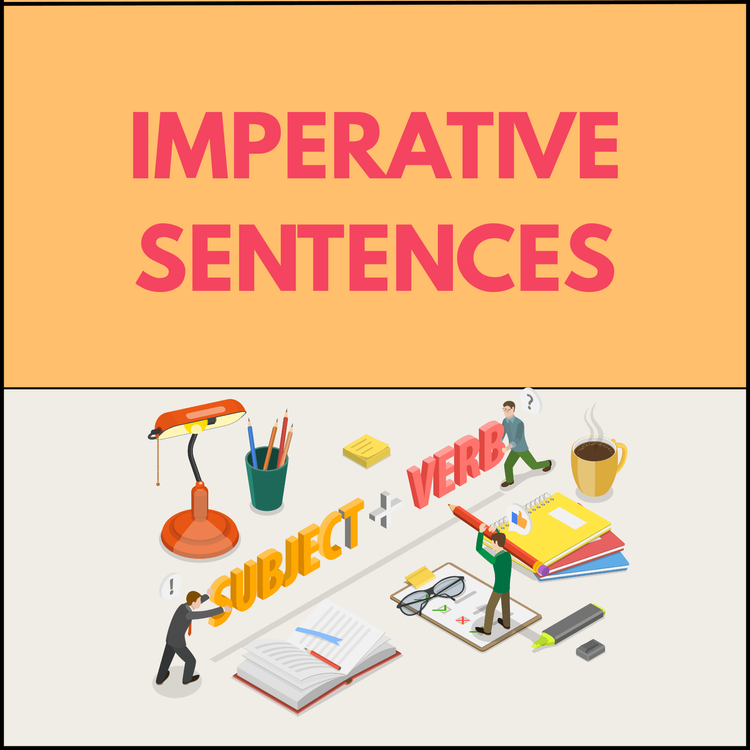
Imperative sentences are used to give commands, make requests, or offer advice. These sentences usually begin with a verb and end with either a period (.) or an exclamation mark (!) depending on tone.
Importance of Imperative Sentences
Imperative sentences help students learn how to give directions politely and clearly. They are essential in real-life communication, from classroom instructions to daily interactions.
How This Worksheet Helps
This worksheet trains students to identify imperative sentences, use correct verb forms, and form their own instructions. It builds confidence in communication and promotes responsible language use.
✅ Answer Key
Exercise 1: Choose the Type of Sentence
| Question | Correct Answer |
|---|---|
| Please close the door. | Imperative |
| Finish your homework before dinner. | Imperative |
| Don’t talk during the class. | Imperative |
| Kindly pass me the salt. | Imperative |
| Sit quietly and listen carefully. | Imperative |
Exercise 2: Choose the Correct Word
| Sentence | Correct Answer |
|---|---|
| Please _____ the window. | close |
| _____ your homework before playing. | Finish |
| Kindly _____ me your notebook. | pass |
| Don’t _____ in the library. | shout |
| Always _____ the truth. | speak |
Exercise 3: Complete Each Imperative Sentence
Please remember to complete your homework on time.
Always be kind to your classmates and teachers.
Don’t forget to carry your school ID.
Kindly help your friend when they are in trouble.
Try to finish your work before the bell rings.
Make sure you clean your desk after class.
Frequently Asked Questions
An imperative sentence gives a command, request, or instruction. Example: Please close the door.
It usually starts with a verb and ends with a period or exclamation mark. The subject “you” is often understood but not mentioned.
They teach how to communicate politely and clearly. Students learn to give directions, advice, or requests effectively.
Yes! Adding words like please, kindly, or always makes them polite. Example: Please pass the salt.
It encourages students to form practical and respectful instructions. Regular practice enhances real-life speaking and writing clarity.