
Nervousness in Kids: Causes, Symptoms & How to Reduce It


Table of Contents
- Understanding Nervousness in Kids
- Causes of Nervousness in Kids
- Symptoms of Nervousness in Kids
- How to Reduce Nervousness in Kids
- Early Signs of Nervousness Every Parent Should Watch For
- Common Situations That Trigger Nervousness in Kids
- Simple Exercises to Calm Your Child Before Stressful Events
- Role of Communication in Reducing Nervousness
- How Friends and Siblings Influence Nervousness
- Long-Term Benefits of Managing Nervousness Early
- Tools and Resources for Parents
- When Nervousness Might Need Professional Help
- Tips for Teachers to Support Nervous Students
- Difference Between Nervousness and Anxiety in Kids
- How Nutrition and Exercise Impact Nervousness
- Role of Sleep in Managing Nervousness
- Using Role-Playing to Overcome Nervous Situations
- Parental Mindset: How Your Reactions Affect Your Child
- Building Emotional Vocabulary to Express Feelings
- Fun Activities That Reduce Stress and Boost Confidence
- Technology and Apps to Help Kids Manage Stress
- Celebrating Small Wins to Build Confidence
- Real-Life Parent Tips for Handling Nervous Children
- Why Choose PlanetSpark?
- Conclusion
Watching your child feel nervous or anxious can be stressful for any parent. Nervousness in kids is more than just shyness, it can affect their confidence, participation in class, and even social interactions. Many children struggle to express their worries, leaving parents unsure how to help. In this guide, we’ll explore the common causes of nervousness, how to spot its symptoms early, and practical ways to help your child feel more confident and calm. By understanding what triggers nervousness and learning strategies to reduce it, you can support your child in developing emotional resilience and thriving both at school and at home.
Understanding Nervousness in Kids
Nervousness in kids is a natural response to new, challenging, or uncertain situations. It’s a mix of emotions and physical reactions that helps children prepare for experiences that may feel overwhelming. While occasional nervousness is normal, frequent or intense nervousness can affect a child’s confidence, school performance, and social interactions.
What Is Nervousness?
Nervousness is more than just feeling shy or quiet. It can show up as worry, fear of making mistakes, or hesitation to try new activities. Children might experience racing thoughts, butterflies in the stomach, or an urge to avoid the situation altogether.
Why Kids Feel Nervous
Several factors can trigger nervousness in children:
New experiences: Starting school, joining a sports team, or attending social events.
High expectations: Pressure from parents, teachers, or peers to perform well.
Social situations: Interacting with unfamiliar people or public speaking.
Past experiences: Negative encounters or failures that leave lasting fears.
Understanding these triggers helps parents respond with empathy and guide their child toward coping strategies. Recognizing nervousness early allows for timely support, so children can face challenges with confidence instead of fear.
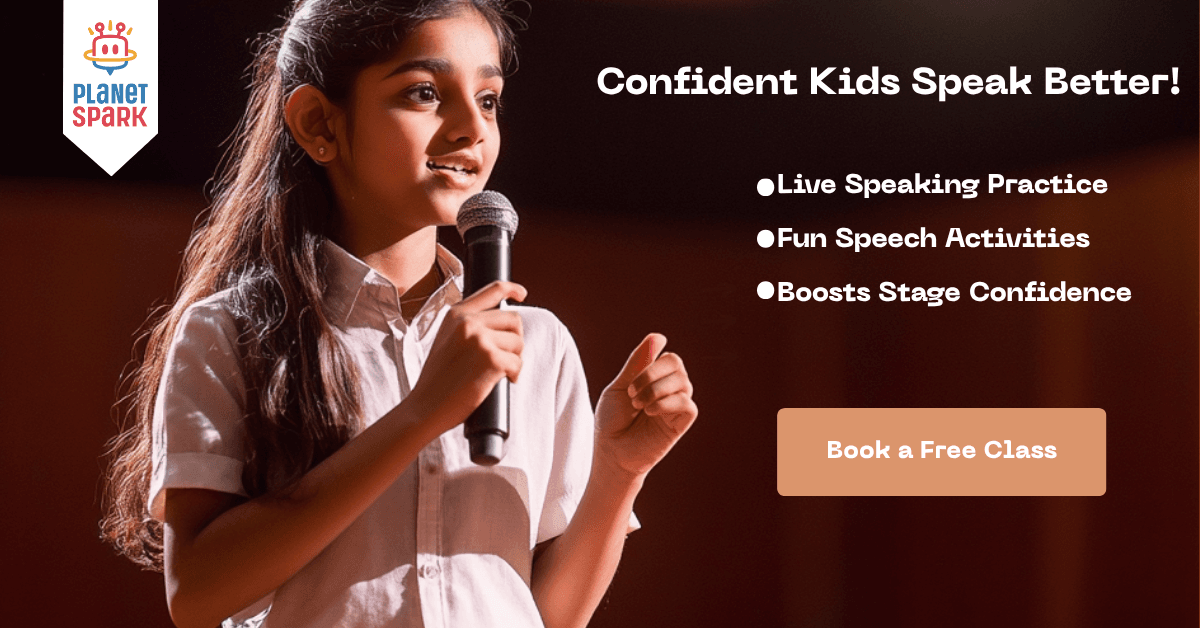
Causes of Nervousness in Kids
Children can feel nervous for many reasons, and understanding the root causes helps parents provide the right support. While every child is unique, some common factors often contribute to nervousness:
Genetics and Temperament: Some children are naturally more sensitive or cautious, making them more prone to nervous feelings in new or challenging situations.
Overprotective Parenting or High Expectations: Children who face constant pressure to perform perfectly or are shielded from challenges may feel anxious when they have to act independently.
Peer Pressure and Social Comparisons: Comparing themselves to friends or classmates can make children self-conscious, increasing nervousness.
Past Negative Experiences: A previous failure, criticism, or embarrassing moment can leave lasting anxiety in similar situations.
Physical Factors: Lack of sleep, poor nutrition, or overstimulation can make children more susceptible to stress and nervousness.
Recognizing these causes allows parents to address them effectively. By offering support, reassurance, and gradual exposure to challenging situations, parents can help their child manage nervousness and build confidence over time.
Symptoms of Nervousness in Kids
Nervousness can show up in different ways, and noticing the signs early helps parents support their child effectively. Symptoms can be emotional, physical, or behavioral.
Emotional Symptoms
Frequent worrying or overthinking
Irritability or sudden mood swings
Fear of failure or making mistakes
Low confidence in new situations
Physical Symptoms
Sweating or shaking
Stomach aches or headaches
Rapid heartbeat or shortness of breath
Fidgeting, nail-biting, or restlessness
Behavioral Symptoms
Avoiding school, social activities, or new challenges
Difficulty speaking or participating in class
Clinging to parents or seeking constant reassurance
Procrastination or reluctance to try tasks independently
By understanding these signs, parents can respond with empathy and help their child manage nervousness before it escalates. Early support encourages children to face challenges with confidence rather than fear.
How to Reduce Nervousness in Kids
Helping children manage nervousness requires patience, understanding, and practical strategies. Parents can combine emotional support, daily habits, and guided practice to boost confidence.
Practical Parenting Tips
Listen and Validate Feelings: Encourage your child to share worries without judgment.
Offer Reassurance: Calmly explain that it’s normal to feel nervous sometimes.
Encourage Gradual Exposure: Start with small, manageable challenges before tackling bigger ones.
Daily Habits to Build Confidence
Healthy Routines: Ensure sufficient sleep, balanced meals, and regular exercise.
Mindfulness & Breathing Exercises: Simple techniques can help children calm their minds before stressful situations.
Positive Reinforcement: Praise efforts, not just outcomes, to build self-esteem.
Academic & Social Support
Practice presentations or social interactions at home to reduce fear.
Role-play scenarios that might make them nervous, such as speaking in class or meeting new friends.
Use fun activities to teach problem-solving and resilience.
PlanetSpark’s Role
PlanetSpark’s one-to-one programs help children overcome nervousness through guided speaking and confidence-building exercises. Our expert trainers provide personalized support, helping children express themselves clearly and participate actively.
Early Signs of Nervousness Every Parent Should Watch For
Nervousness in children often begins subtly, and parents who spot early signs can provide timely support. These behaviors may be emotional, physical, or behavioral, and noticing them helps prevent stress from escalating. Children may appear unusually irritable, clingy, or reluctant to try new activities they once enjoyed. Frequent worrying, sudden mood swings, or excessive sensitivity to criticism are also common indicators.
Physical signs can include fidgeting, nail-biting, restlessness, stomachaches, or headaches without a medical reason. Some children may have trouble sleeping, experience nightmares, or display difficulty concentrating on tasks. Behavioral changes such as avoiding schoolwork, social events, or public speaking may signal underlying nervousness.
Key points to watch for:
Emotional changes: irritability, low confidence, or overthinking
Physical signs: restlessness, stomachaches, or headaches
Behavioral cues: avoidance of social or academic tasks
Early detection allows parents to offer reassurance, empathy, and structured support. Addressing nervousness promptly helps children build resilience, confidence, and the ability to manage stress effectively.
Common Situations That Trigger Nervousness in Kids
Children can feel nervous in many everyday scenarios, and understanding these triggers helps parents guide them with care. School-related challenges like exams, class presentations, or answering questions aloud can make kids feel self-conscious or pressured. Social events such as parties, team activities, or meeting new peers often trigger anxiety, especially in shy or sensitive children.
New experiences—like joining a club, visiting unfamiliar places, or participating in competitions—can also make children anxious. Even routine tasks, such as reading aloud, performing a musical piece, or trying a new sport, may feel stressful. Physical signs like sweating, fidgeting, or stomach discomfort often accompany these situations.
Common triggers include:
Academic pressure and high expectations
Social interactions with peers or adults
Public speaking or performance situations
Transitions, changes in routine, or unfamiliar experiences
By understanding these situations, parents can gradually expose children to challenges, teach coping strategies, and provide reassurance, helping them face stressful moments with confidence.
Simple Exercises to Calm Your Child Before Stressful Events
Practical exercises can help children manage nervousness before challenging situations. These activities teach them how to regulate emotions, stay focused, and remain calm. Parents can incorporate simple routines that children enjoy and can practice daily.
Effective exercises include:
Deep Breathing: Teach your child to inhale slowly for four counts, hold for four, and exhale for four. Repeat for a few minutes to reduce physical tension.
Visualization: Encourage them to close their eyes and imagine a calm, happy place or visualize successfully completing a task.
Mini Mindfulness Practices: Ask them to notice five things they see, four they touch, three they hear, two they smell, and one they taste. This shifts focus away from anxious thoughts.
Positive Self-Talk: Guide children to repeat encouraging phrases like “I can do this” or “I am calm and prepared.”
Regular practice helps children approach stressful events with confidence and reduces the intensity of nervousness over time.
Book a free demo to help your child speak confidently and overcome nervousness today.
Role of Communication in Reducing Nervousness
Open and supportive communication is crucial for helping children manage nervousness. Children often struggle to express their worries, so parents need to create a safe, non-judgmental space for conversations. Listening actively without interrupting allows children to share thoughts and feelings freely.
Tips for effective communication:
Validate their feelings: Acknowledge that it’s normal to feel nervous sometimes.
Ask gentle, open-ended questions: “How did you feel when…?” or “What worried you the most?”
Avoid criticism or pressure: Focus on understanding rather than solving immediately.
Offer guidance gradually: Suggest coping strategies instead of forcing solutions.
Consistent, empathetic communication not only helps reduce nervousness but also builds trust, emotional intelligence, and confidence in children, empowering them to handle challenges independently.
How Friends and Siblings Influence Nervousness
Children’s social environment significantly affects their confidence and anxiety levels. Friends and siblings can either increase nervousness or help children feel supported and secure. Negative peer pressure, teasing, or comparison can heighten anxiety, while encouraging friendships foster resilience and self-esteem.
Ways social relationships influence nervousness:
Supportive peers: Provide reassurance, celebrate small successes, and reduce fear of failure.
Siblings: Older siblings can model coping strategies, while younger ones may seek reassurance.
Negative interactions: Bullying, exclusion, or constant comparison can amplify nervous feelings.
Parents can guide children to form positive connections, encourage teamwork, and model healthy communication. Creating a nurturing social circle helps children develop confidence, manage stress, and approach challenges with a sense of security rather than fear.
Long-Term Benefits of Managing Nervousness Early
Helping children manage nervousness early has lasting positive effects on their development. Children who learn to cope with anxiety gain confidence, resilience, and the ability to face challenges calmly. Over time, these skills positively influence academic performance, as nervous children become more willing to participate in class, answer questions, and take on new tasks.
Socially, early support allows children to interact comfortably with peers, form healthy friendships, and handle conflicts effectively. Emotionally, children develop self-regulation, learning to manage stress and respond thoughtfully rather than react impulsively.
Benefits include:
Improved confidence: Children are more willing to try new activities and face challenges.
Better academic outcomes: Reduced fear of failure helps children participate actively in school.
Enhanced social skills: Ability to interact with peers and adults without excessive worry.
Emotional resilience: Children handle setbacks calmly and learn problem-solving skills.
By managing nervousness early, parents equip children with tools that benefit them long into adolescence and adulthood.
Tools and Resources for Parents
Parents can support their children in managing nervousness using practical tools and resources. A combination of apps, books, and online programs provides guidance, exercises, and activities designed to build confidence and emotional resilience.
Helpful resources include:
Apps for relaxation and mindfulness: Apps that teach deep breathing, guided meditation, or stress management exercises.
Books for children: Stories about overcoming fear, social challenges, and developing confidence.
Online platforms like PlanetSpark: Expert-led one-to-one sessions focusing on public speaking, communication, and confidence-building. These programs offer personalized support for children struggling with nervousness or stage fright.
Using these tools consistently helps children develop coping strategies, practice emotional regulation, and approach stressful situations with calmness. Parents can integrate these resources into daily routines, creating a structured, supportive environment that reinforces learning and reduces nervousness over time.
CTA Example: Book a free demo at PlanetSpark to help your child gain confidence and overcome nervousness.
When Nervousness Might Need Professional Help
While occasional nervousness is normal, some signs indicate it may require professional attention. Persistent anxiety that interferes with school, friendships, or daily life should not be ignored. Children may display extreme avoidance, panic attacks, or physical symptoms like chronic stomachaches, headaches, or sleep disturbances.
Indicators that professional help is needed:
Nervousness affecting academic performance or participation in class.
Severe social withdrawal or difficulty forming friendships.
Physical symptoms like stomach pain, headaches, or frequent fatigue linked to anxiety.
Signs of excessive worry, irritability, or fear lasting for weeks or months.
Consulting a child psychologist or counselor can provide targeted strategies to manage anxiety, helping children develop coping mechanisms in a safe environment. Early intervention prevents long-term emotional difficulties and supports healthy mental and social development.
Tips for Teachers to Support Nervous Students
Teachers play a vital role in helping children manage nervousness at school. Understanding and responding to anxious students with patience can make a significant difference in their confidence and participation.
Effective strategies for teachers include:
Providing a calm, supportive classroom environment.
Offering gentle encouragement and praise for effort, not just results.
Allowing students to prepare in advance for presentations or speaking tasks.
Giving opportunities for gradual participation in group activities.
Communicating with parents to create consistent support between school and home.
These approaches help nervous children engage with learning, build self-esteem, and feel more comfortable taking on challenges in the classroom. Collaboration between parents and teachers reinforces coping strategies and ensures children feel supported both at home and school.
Difference Between Nervousness and Anxiety in Kids
It’s important for parents to distinguish between normal nervousness and clinical anxiety. Nervousness is a typical response to new, challenging, or uncertain situations, such as giving a class presentation, attending a birthday party, or meeting new friends. It usually subsides once the situation passes, and the child can return to their usual behavior.
Anxiety, on the other hand, is more persistent and intense. It may appear in multiple areas of life and interfere with daily functioning. Children with anxiety may avoid school, struggle to sleep, or have frequent physical complaints like stomachaches or headaches. Their worries often feel overwhelming, even for situations that seem minor.
Key differences:
Duration: Nervousness is temporary; anxiety persists.
Intensity: Nervousness is mild; anxiety can be extreme.
Impact: Nervousness rarely affects daily life; anxiety may affect school, friendships, or activities.
Recognizing these differences helps parents respond appropriately, seeking professional guidance when anxiety starts affecting a child’s well-being. Early support can prevent long-term emotional difficulties and build confidence.
Try a trial class and see how our confidence-building exercises transform your child’s communication skills.
How Nutrition and Exercise Impact Nervousness
A child’s diet and physical activity play a significant role in managing nervousness. Proper nutrition provides essential nutrients that support brain function and emotional balance, while regular exercise helps release stress-reducing hormones like endorphins.
Nutrition tips for reducing nervousness:
Offer balanced meals with proteins, fruits, vegetables, and whole grains.
Limit excessive sugar and processed foods, which can trigger mood swings and hyperactivity.
Ensure adequate hydration, as even mild dehydration can affect concentration and stress levels.
Exercise tips:
Encourage at least 30–60 minutes of daily physical activity, like cycling, swimming, or playing outdoors.
Introduce fun activities such as dance, yoga, or family walks to reduce tension and improve mood.
By combining healthy eating habits with regular movement, children can feel calmer, more focused, and better equipped to handle stressful situations. Parents who model these habits also help reinforce a positive, healthy lifestyle.
Role of Sleep in Managing Nervousness
Sleep plays a critical role in a child’s emotional and cognitive development. Lack of sufficient rest can heighten nervousness, reduce concentration, and make children more sensitive to stress. Children who do not sleep well may experience irritability, mood swings, or physical symptoms like headaches and stomachaches, which can intensify feelings of anxiety.
Tips for promoting healthy sleep:
Maintain a consistent bedtime routine to signal the body it’s time to rest.
Create a calm sleep environment: dim lights, minimal noise, and comfortable bedding.
Limit screen time at least an hour before bed, as blue light can interfere with melatonin production.
Encourage relaxing pre-sleep activities like reading, gentle stretching, or deep-breathing exercises.
Ensuring adequate sleep helps children regulate emotions, improve focus, and handle challenging situations with confidence. When parents prioritize healthy sleep habits, children are better equipped to manage nervousness effectively.
Using Role-Playing to Overcome Nervous Situations
Role-playing is a powerful tool to help children face nervous situations confidently. By practicing scenarios in a safe environment, children learn to anticipate challenges, rehearse responses, and reduce anxiety before facing real-life situations.
Ways to use role-playing at home:
Public speaking practice: Let your child present a short story or topic to family members.
Social interactions: Practice greeting new friends or responding to questions politely.
Performance rehearsal: Encourage children to act out music, drama, or sports routines in front of a small audience.
Role-playing allows children to experiment with strategies for calming themselves, such as deep breathing or positive self-talk. Parents can provide gentle feedback, praise effort, and encourage repeated practice. Over time, these exercises help children feel more prepared, confident, and less nervous in real-life situations.
Parental Mindset: How Your Reactions Affect Your Child
Parents’ reactions have a profound impact on how children manage nervousness. Calm, supportive responses help children feel safe and understood, while anxious or critical reactions may intensify stress.
Ways parents can positively influence their child:
Stay calm: Model steady breathing and a composed demeanor in stressful situations.
Validate feelings: Acknowledge nervousness instead of dismissing it: “It’s okay to feel nervous; everyone does sometimes.”
Encourage problem-solving: Guide children to think of ways to handle situations rather than providing immediate solutions.
Celebrate effort: Focus on attempts and progress rather than only results.
By adopting a supportive mindset, parents teach children resilience, self-confidence, and healthy coping skills. Children learn to approach challenges thoughtfully, knowing they have a safe environment to practice, make mistakes, and grow without fear.
Building Emotional Vocabulary to Express Feelings
Helping children articulate their emotions is essential for managing nervousness effectively. Many children feel anxious or nervous but struggle to express exactly what they are experiencing. Teaching them an emotional vocabulary allows them to identify and communicate feelings such as worry, fear, or tension, reducing frustration and increasing self-awareness.
Tips to build emotional vocabulary:
Label feelings regularly: Encourage children to describe how they feel in different situations using words like “nervous,” “excited,” “anxious,” or “confident.”
Storytelling and role-play: Ask children to narrate scenarios where a character feels nervous, helping them identify emotions and coping strategies.
Emotion charts or journals: Visual aids allow children to express emotions daily, track patterns, and reflect on triggers.
Model verbal expression: Parents sharing their feelings calmly teaches children it’s safe to talk about emotions.
When children can express emotions clearly, they gain control over them. Emotional literacy builds confidence, resilience, and a stronger ability to cope with stress in school and social situations.
Connect with PlanetSpark trainers for personalized guidance to build your child’s resilience and self-expression.
Fun Activities That Reduce Stress and Boost Confidence
Engaging children in enjoyable activities can help reduce nervousness while building self-esteem. Activities that encourage creativity, physical movement, and social interaction allow children to release tension and develop confidence.
Effective activities include:
Games and Puzzles: Cooperative games or problem-solving puzzles help children focus, think positively, and reduce anxiety.
Art and Craft: Drawing, painting, or sculpting provides an outlet for emotional expression and calming nervous energy.
Storytelling and Drama: Acting out scenarios or telling stories encourages self-expression and improves communication skills.
Music and Movement: Singing, dancing, or playing instruments enhances mood and reduces stress naturally.
By integrating these activities into daily routines, parents can help children build coping skills in a playful and engaging way. Regular participation boosts confidence, creativity, and emotional resilience.
Technology and Apps to Help Kids Manage Stress
Technology can be a helpful ally in managing nervousness if used mindfully. Several apps and digital tools provide structured guidance for mindfulness, emotional regulation, and confidence-building.
Helpful options include:
Mindfulness Apps: Guided meditation or breathing exercises designed for kids can reduce stress and improve focus.
Interactive Storytelling Apps: Narratives that teach coping skills through engaging stories help children process emotions.
Confidence-Building Games: Role-playing, public speaking simulations, and social-emotional learning games reinforce coping strategies.
Parent-Child Co-Use Tools: Apps that parents and children explore together encourage discussion about emotions and techniques for handling nervousness.
Using technology as a supplement—rather than a replacement for real-life practice—helps children manage stress, build confidence, and approach challenging situations with calm and preparedness.
Celebrating Small Wins to Build Confidence
Acknowledging small achievements is crucial for children who experience nervousness. Focusing on progress rather than perfection encourages children to try new things, face fears, and gradually build confidence.
Ways to celebrate small wins:
Praise effort and persistence, even if results are not perfect.
Maintain a visual tracker, like a sticker chart or journal, to highlight achievements.
Encourage children to share their successes with family or friends, reinforcing a positive self-image.
Reflect on challenges overcome to show that nervousness can be managed successfully.
Celebrating small wins helps children associate effort with success, motivating them to take on bigger challenges confidently. Over time, this practice fosters resilience, self-belief, and a positive approach to life’s uncertainties.
Real-Life Parent Tips for Handling Nervous Children
Learning from experienced parents and teachers provides practical strategies to help children manage nervousness in everyday life. Real-life tips are simple, actionable, and often very effective.
Tips from parents and educators:
Prepare in advance: Role-play stressful scenarios like presentations or new social interactions.
Stay calm and supportive: Model composure and avoid showing anxiety in front of your child.
Create routines: Consistent daily schedules reduce uncertainty and nervousness.
Break tasks into small steps: Gradually building skills prevents overwhelm.
Encourage reflection: Ask children how they felt and what helped, teaching them self-awareness.
By applying these practical approaches consistently, parents can empower their children to face challenges with confidence, build coping strategies, and reduce nervousness over time.

Why Choose PlanetSpark?
Nervousness can make everyday challenges feel bigger than they are, but children don’t have to face these feelings alone. At PlanetSpark, we provide personalized one-to-one programs designed to help children manage nervousness, build confidence, and express themselves clearly. Our expert trainers guide each child at their own pace, making learning both fun and effective.
How PlanetSpark Supports Your Child:
Personalized Learning: Tailored sessions focus on your child’s unique triggers, helping them practice coping strategies in a safe and supportive environment.
Confidence-Building Exercises: Activities include public speaking practice, role-playing, and storytelling to strengthen communication skills and reduce anxiety.
Interactive Sessions: Live, engaging online classes encourage children to participate actively and build comfort with social interactions.
Positive Reinforcement: Our trainers celebrate small wins, helping children feel proud of their progress and motivated to take on bigger challenges.
Conclusion
Managing nervousness early sets the foundation for a child’s long-term confidence and emotional well-being. By understanding the causes, recognizing early signs, and using practical strategies such as mindfulness exercises, role-playing, and building emotional vocabulary, parents can help children face challenges with calmness and resilience. Activities like fun games, storytelling, and structured daily routines further reduce stress while boosting self-esteem.
It’s important to remember that persistent nervousness may sometimes indicate anxiety in children. Recognizing the difference and seeking help when needed ensures children develop healthy coping strategies early. By addressing these challenges proactively, parents empower their children to navigate life confidently, reducing the impact of anxiety in children on daily life and future experiences.
Frequently Asked Questions
Nervousness in children can be triggered by school pressure, social situations, new experiences, or past negative events. Understanding these triggers helps parents provide timely support.
If nervousness is persistent, affects daily activities, school performance, or friendships, or comes with physical symptoms like headaches or stomachaches, it may indicate anxiety in children and require professional guidance.
Healthy routines, such as regular sleep, balanced meals, daily exercise, mindfulness exercises, and positive reinforcement, help children feel calm, focused, and confident.
Role-playing allows children to practice facing stressful situations in a safe environment, teaching coping strategies and boosting confidence before they encounter real-life challenges.
Yes! PlanetSpark’s one-to-one sessions provide personalized guidance, confidence-building exercises, and communication practice, helping children reduce nervousness and improve emotional resilience.
Children of all ages can feel nervous, but it is especially common between ages 6–12, during transitions, exams, public speaking, or new social situations. Early support helps reduce anxiety in children effectively.