

Have you ever said, “I am going to the park today,” and “I went to the park yesterday”? The action is the same, but the verb changes because the time changes. That’s exactly why we use tenses in English grammar.
Tenses help us understand when an action happens, in the present, the past, or the future. For Class 8 students, learning tenses is an important step toward building strong grammar skills, writing better answers, and speaking confidently in everyday life.
In this blog, we will explore the different types of tenses, their structures, examples, and common mistakes so that mastering English tenses becomes simple and easy.

English Grammar Tense for Class 8
Tenses are used to indicate the time of an action or state of being in a language. Hence, the word tense refers to "time." It helps learners gain a fundamental knowledge of how to structure a statement that refers to a specific period in the sentence. As a result, Class 8 English Grammar tenses become the most significant topic, necessary not only to understand academics in schools but also to speak proper English in public.
English Grammar for Class 8 covers the definition and all the types of tenses in detail. However, the way it is explained and taught determines if the lesson learned will stay with the students forever and, most importantly, if they will be able to use the sentences with proper tense in the practical world. PlanetSpark has designed the most extensive yet simplified curriculum for 8th class tenses, which covers this vital topic easily.
Here are some details of CBSE Class 8 English tenses:
Key Tenses and Examples for Class 8
In Class 8, students learn that every tense shows when an action happens. English has three main tenses, and each has four forms.
1. Present Tense (Happening now / regularly)
- Simple Present – Used for habits and facts
Structure: Subject + V1 + s/es
Example: She writes neatly. - Present Continuous – Action happening now
Structure: Subject + is/am/are + V1+ing
Example: She is writing a letter. - Present Perfect – Action completed recently
Structure: Subject + has/have + V3
Example: She has written the letter. - Present Perfect Continuous – Action continuing for some time
Structure: Subject + has/have been + V1+ing
Example: She has been writing for two hours.
2. Past Tense (Already happened)
- Simple Past
Structure: Subject + V2
Example: She wrote a letter. - Past Continuous
Structure: Subject + was/were + V1+ing
Example: She was writing a letter. - Past Perfect
Structure: Subject + had + V3
Example: She had written the letter. - Past Perfect Continuous
Structure: Subject + had been + V1+ing
Example: She had been writing for two hours.
3. Future Tense (Will happen later)
- Simple Future
Structure: Subject + will + V1
Example: She will write a letter. - Future Continuous
Structure: Subject + will be + V1+ing
Example: She will be writing a letter. - Future Perfect
Structure: Subject + will have + V3
Example: She will have written the letter. - Future Perfect Continuous
Structure: Subject + will have been + V1+ing
Example: She will have been writing for two hours.
Help your child master tenses with expert grammar guidance.
Common Structures of Tenses
Here’s an easy way to remember tense patterns:
| Tense Type | Structure |
|---|---|
| Simple Present | Subject + V1 + s/es |
| Simple Past | Subject + V2 |
| Simple Future | Subject + will + V1 |
| Continuous | Subject + helping verb + V1+ing |
| Perfect | Subject + helping verb + V3 |
| Perfect Continuous | Subject + helping verb + been + V1+ing |
Quick Tip:
V1 = Base form
V2 = Past form
V3 = Past participle
How to Identify Tenses in a Sentence
Use these clues:
- Look at the verb form
Example: plays → Present - Check helping verbs
is/am/are → Present Continuous
was/were → Past Continuous
will → Future - Spot time words
Yesterday → Past
Today/Every day → Present
Tomorrow/Next week → Future - Find completed actions
has/have/had + V3 → Perfect Tense

Common Mistakes in Tenses
1. Mixing tenses wrongly
❌ He went to school and eats lunch.
✅ He went to school and ate lunch.
2. Wrong helping verb
❌ She have completed homework.
✅ She has completed homework.
3. Wrong verb form after “will”
❌ I will went there.
✅ I will go there.
4. Using present instead of past
❌ Yesterday I go to market.
✅ Yesterday I went to market.
5. Wrong continuous form
❌ He is play football.
✅ He is playing football.
Quick Revision: Tenses in One Minute
- Present = happening now
- Past = already happened
- Future = will happen later
Remember this formula:
Simple = basic action
Continuous = ongoing action
Perfect = completed action
Perfect Continuous = action continuing over time
Shortcut to remember:
12 Tenses = 3 Times × 4 Forms
Strong grammar builds strong communication.
Learn English Grammar with PlanetSpark
Mastering tenses is just the beginning of a child’s grammar journey. At PlanetSpark, we make English Grammar fun, interactive, and deeply engaging for Class 8 students through our expert-led online classes.
Whether your child struggles with past perfect tense or wants to polish their grammar usage in writing and speaking, PlanetSpark’s English Grammar and Spoken English courses are designed to build complete language proficiency.
Why Choose PlanetSpark for English Grammar Classes?
Here’s how PlanetSpark helps your child excel in grammar and communication:
-
CBSE-Aligned Curriculum: Covers all grammar topics including tenses, parts of speech, sentence structure, punctuation, and more—designed to meet school standards and boost academic performance.
-
Personalized Attention: One-on-one or small group sessions ensure every child receives tailored feedback and support from trained teachers.
-
Grammar + Spoken English Integration: Grammar isn’t taught in isolation. Children learn to apply grammar rules while speaking and writing, helping them speak confidently and write error-free.
-
Activity-Based Learning: From real-life role plays to grammar games and quizzes, the sessions are lively and interactive, keeping students interested and engaged.
-
Progress You Can Track: Regular assessments, detailed reports, and parent-teacher feedback loops ensure visible improvements in your child’s grammar skills.
How Neel Kundal Mastered English Grammar with PlanetSpark

Neel Kundal once struggled with tense consistency, sentence formation, and grammar accuracy in school assignments. He often found it difficult to use the correct tense while speaking and writing, which affected his confidence.
With PlanetSpark’s structured English Grammar program, Neel learned tenses through interactive lessons, real-life examples, and regular practice worksheets. Step by step, he improved his understanding of sentence structure, verb forms, and grammar usage.
The result? Neel secured First Position in class and achieved State Rank 810 in the International Olympiad of English Language.
Today, Neel writes with clarity, speaks with confidence, and uses grammar accurately — proving that the right guidance can transform a child’s English journey.
Turn confusing tenses into easy learning with PlanetSpark’s expert-led sessions.
Wrapping Up
Tenses are the backbone of English grammar because they help us express actions clearly in time. Whether you are talking about something happening now, something that happened before, or something that will happen later, using the correct tense makes your sentences accurate and meaningful.
By understanding the structures, practising examples, and avoiding common mistakes, Class 8 students can improve both their writing and speaking skills. With regular practice and the right guidance, mastering tenses can become easy, helping students build stronger communication skills and greater confidence in English.
More useful links:
English Grammar Conjunctions for class 8
Mastering Prepositions: A Complete Guide for Class 8 Students
Grammar Curriculum
What Our Students Say About PlanetSpark
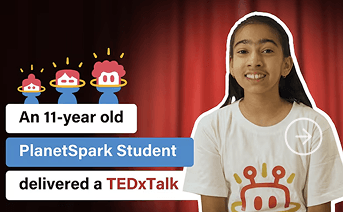
Parents of Oviya Singh
Oviya Singh, a PlanetSpark student, spoke about ‘Soil Conservation’ in her TEDxTalk by addressing the status quo and questioning, ‘Is the world running out of food?’
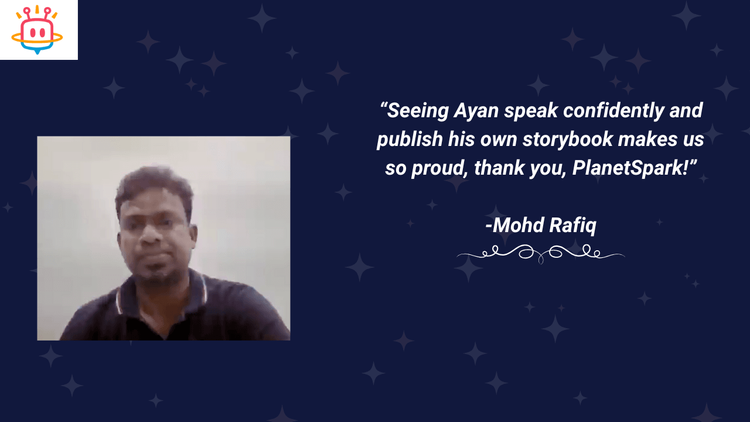
Mohd Rafiq
Thanks to PlanetSpark and his teacher’s guidance, Ayan now speaks confidently, participates actively, and has published his first storybook.
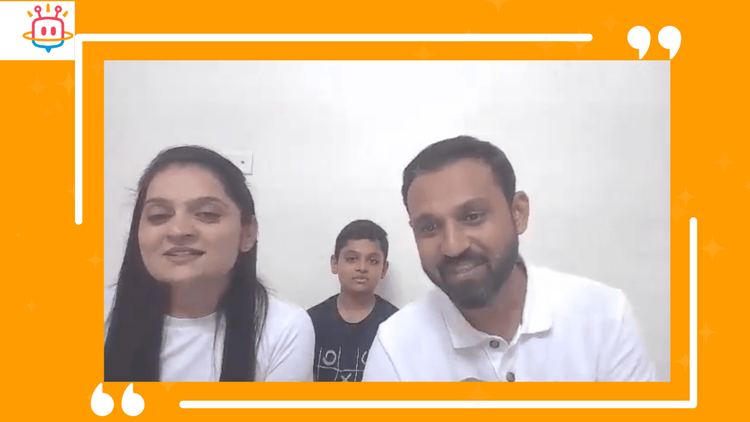
Mr. & Mrs. Bipin Patel
PlanetSpark helped my son Ahan find his voice and confidence. From stage speaking to being published in Pearls of Poetry, his growth has been remarkable.

Mrs. Sushila Thapa
PlanetSpark’s Public Speaking program has boosted Sristi’s confidence and clarity, her school performance speaks for itself.

Rajiv Sharma
My daughter has transformed from a shy kid to a confident speaker in just 6 months. The personalized attention and structured curriculum made all the difference.
Parents of Oviya Singh
Oviya Singh, a PlanetSpark student, spoke about ‘Soil Conservation’ in her TEDxTalk by addressing the status quo and questioning, ‘Is the world running out of food?’
Mohd Rafiq
Thanks to PlanetSpark and his teacher’s guidance, Ayan now speaks confidently, participates actively, and has published his first storybook.
Mr. & Mrs. Bipin Patel
PlanetSpark helped my son Ahan find his voice and confidence. From stage speaking to being published in Pearls of Poetry, his growth has been remarkable.
Mrs. Sushila Thapa
PlanetSpark’s Public Speaking program has boosted Sristi’s confidence and clarity, her school performance speaks for itself.
Rajiv Sharma
My daughter has transformed from a shy kid to a confident speaker in just 6 months. The personalized attention and structured curriculum made all the difference.
Practice with Our Worksheets
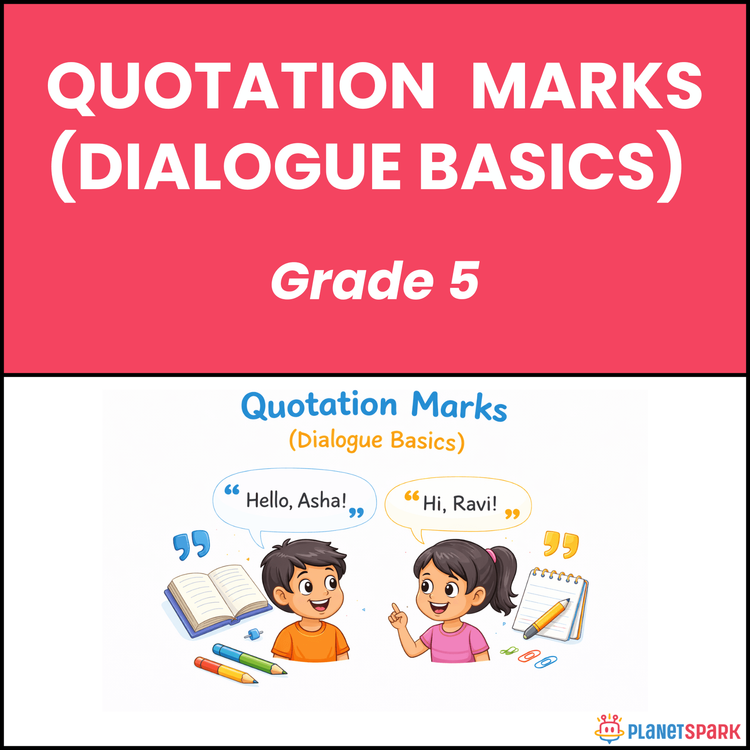
Class 5 Quotation Marks Dialogue English Grammar Worksheet
Practice using quotation marks correctly while writing dialogues and conversations.

Class 3 English Worksheet on Concrete and Abstract Nouns
Learn the difference between concrete and abstract nouns with activities designed to strengthen grammar concepts in young Class 3 learners.

Class 2 English Worksheet on Collective Nouns
Explore collective nouns for groups of animals, people, and things.
Class 4 Multiple Meaning Words English Worksheet
Discover words with multiple meanings using clear sentence examples.
KG English Worksheet on Colours and Shapes
Fun activities to help KG kids learn colours and shapes with simple examples.
Class 4 Reading Passage on The Greedy Merchant
Explore what happens to a greedy merchant in this meaningful story-based worksheet.
Class 3 Grammar Worksheet on Subject–Verb Agreement
Match subjects and verbs correctly in sentences with this simple worksheet.
Class 2 English Worksheet: Punctuations "."and"?"
Explore naming words with fun activities that build strong noun skills early on.
Class 4 English Worksheet for Paragraph Writing
Strengthen paragraph skills by arranging ideas logically through writing tasks.
Linking Verb Worksheet Class 2
Practise linking verbs with fun MCQs and fill-in-the-blank exercises for Class 2 students.
Class 5 Quotation Marks Dialogue English Grammar Worksheet
Practice using quotation marks correctly while writing dialogues and conversations.
Class 3 English Worksheet on Concrete and Abstract Nouns
Learn the difference between concrete and abstract nouns with activities designed to strengthen grammar concepts in young Class 3 learners.
Class 2 English Worksheet on Collective Nouns
Explore collective nouns for groups of animals, people, and things.
Class 4 Multiple Meaning Words English Worksheet
Discover words with multiple meanings using clear sentence examples.
KG English Worksheet on Colours and Shapes
Fun activities to help KG kids learn colours and shapes with simple examples.
Class 4 Reading Passage on The Greedy Merchant
Explore what happens to a greedy merchant in this meaningful story-based worksheet.
Class 3 Grammar Worksheet on Subject–Verb Agreement
Match subjects and verbs correctly in sentences with this simple worksheet.
Class 2 English Worksheet: Punctuations "."and"?"
Explore naming words with fun activities that build strong noun skills early on.
Class 4 English Worksheet for Paragraph Writing
Strengthen paragraph skills by arranging ideas logically through writing tasks.
Linking Verb Worksheet Class 2
Practise linking verbs with fun MCQs and fill-in-the-blank exercises for Class 2 students.
Why Thousands of Parents Trust PlanetSpark
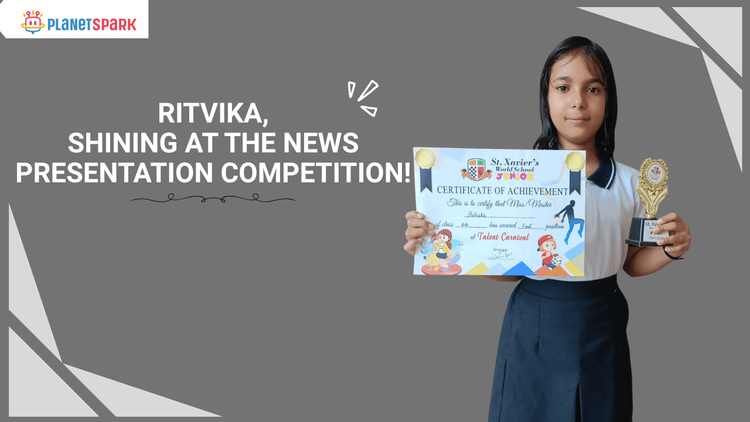
Ritvika (News Presentation Competition)
Ritvika has achieved a milestone in News Presentation! From the PlanetSpark classroom to the spotlight at the News Presentation Competition.
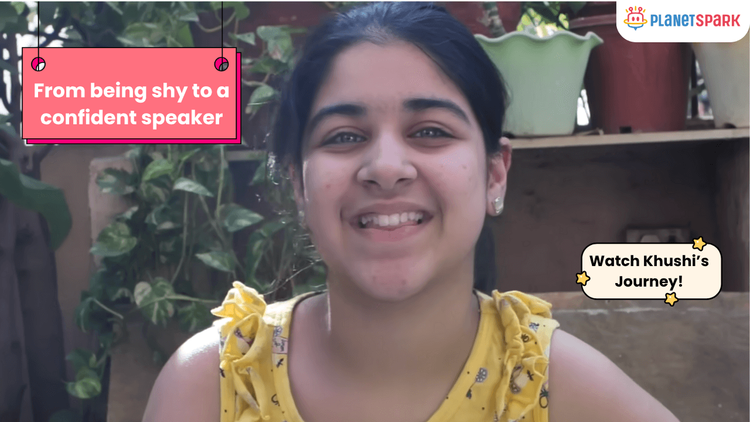
Khushi Bhatia, 10 Years
Khushi transformed from being a shy to a confident speaker with PlanetSpark!
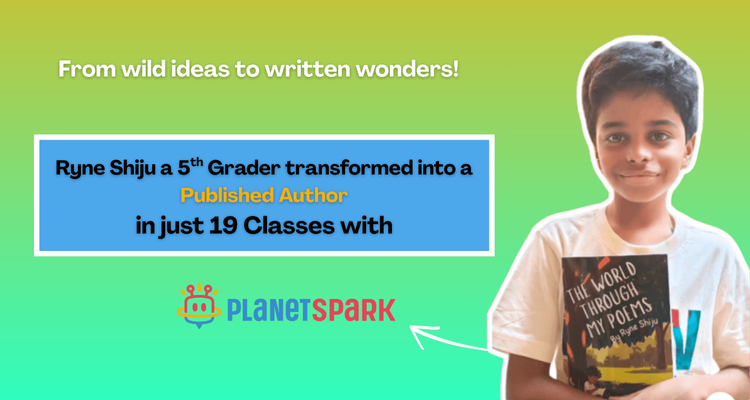
Ryne Shiju (Published Author)
Ryne Shiju, a bright PlanetSpark star, has turned imagination into inspiration becoming a published author whose words now empower and inspire.
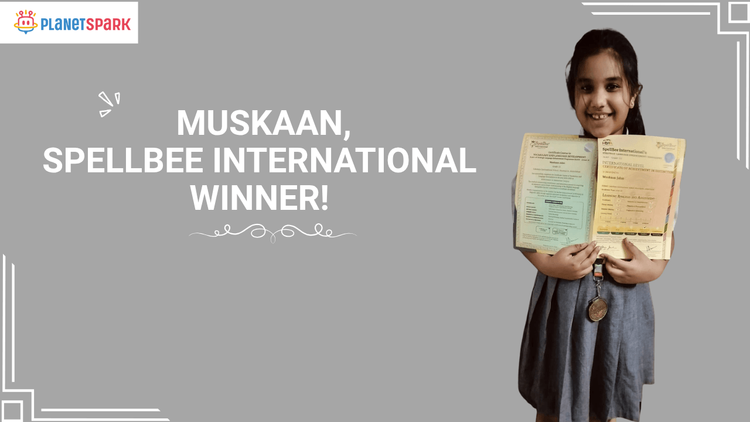
Muskaan (SpellBee International Participant)
We are beyond proud of Muskaan from PlanetSpark, who showcased her spelling brilliance at the SpellBee International Programme.
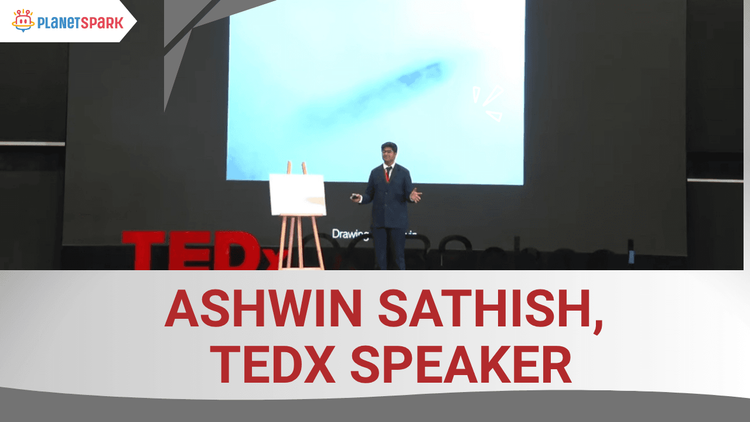
Ashwin Sathish (TEDx Speaker)
Ashwin Sathish, Grade 8 from New Delhi, stood tall as a TEDx Speaker, sparking conversations that truly matter. From classroom confidence to commanding a global stage, his journey reflects the power of voice, vision, and courage.
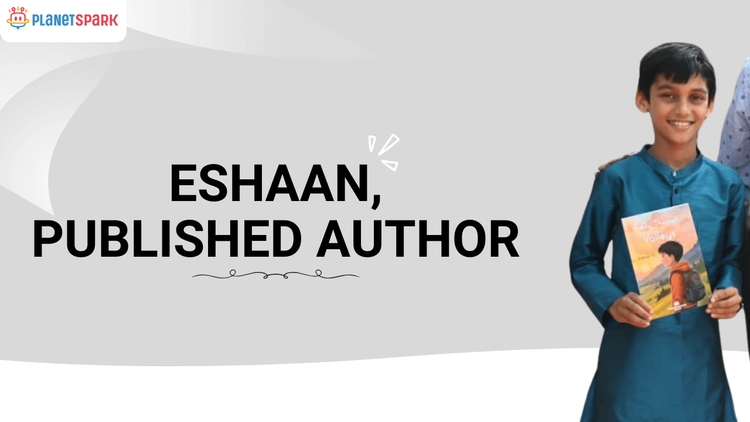
Eshaan (Published Author)
Eshaan has officially became a published author, turning classroom activity into a captivating storybook.
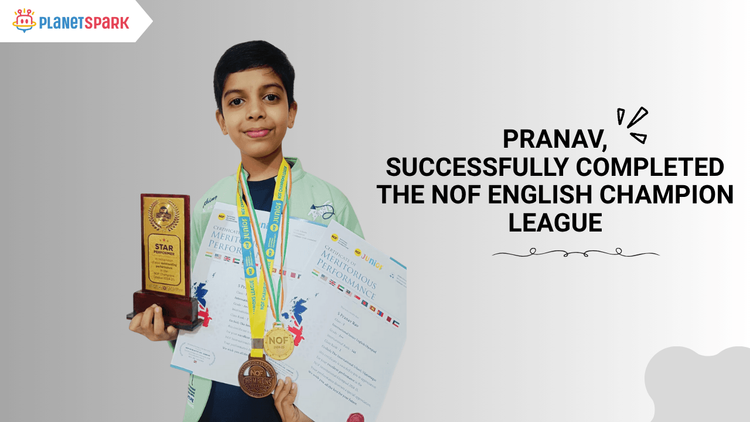
Pranav (NOF English Champion League)
Pranav, a Grade 3 star, has successfully completed the NOF English Champion League, showcasing his brilliance in Public Speaking and Creative Writing.

Ovia Singh (TEDx Speaker)
Oviya Singh from PlanetSpark challenged the status quo in her TEDx Talk, asking, ‘Is the world running out of food?’ as she highlighted the importance of soil conservation.
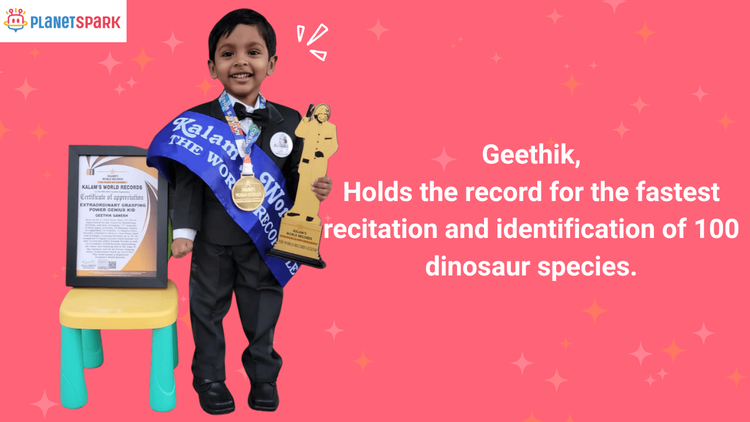
Geethik (Fastest Recitation)
Geethik’s PlanetSpark-sharpened speaking skills helped him set a 100-dinosaur recitation record.
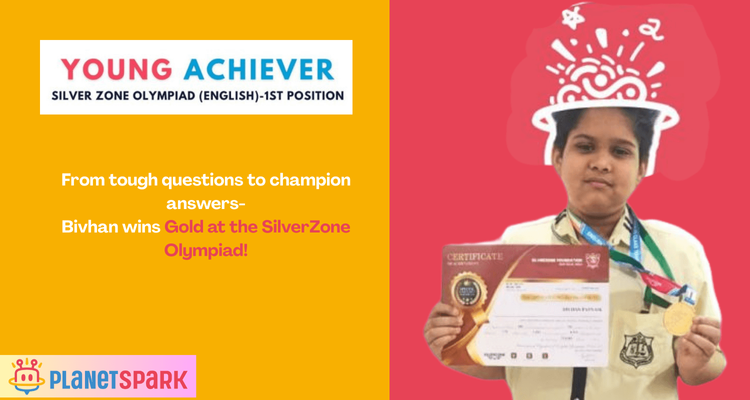
Bivhan Patnaik (SilverZone Olympiad)
Bivhan, in just Grade 4, wins Gold at the SilverZone Olympiad, a true symbol of brilliance, focus, and PlanetSpark-guided success.

Advaith Gupta (SpellBee International)
Advaith Gupta – Spelling His Way to Global Recognition! From mastering vocabulary to shining at SpellBee International, Advaith creates remarkable achievements.
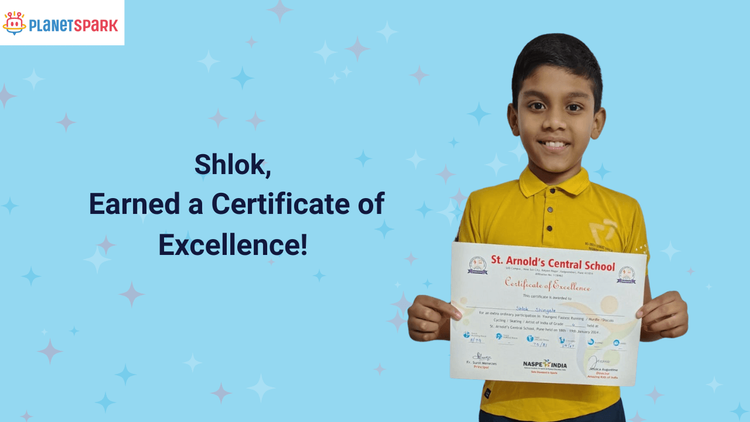
Shlok (certificate of excellence)
Earned a Certificate of Excellence, showcasing his growing confidence and skills nurtured at PlanetSpark.
Ovia Singh, 11 Years
Oviya Singh from PlanetSpark challenged the status quo in her TEDx Talk, asking, ‘Is the world running out of food?’ as she highlighted the importance of soil conservation.
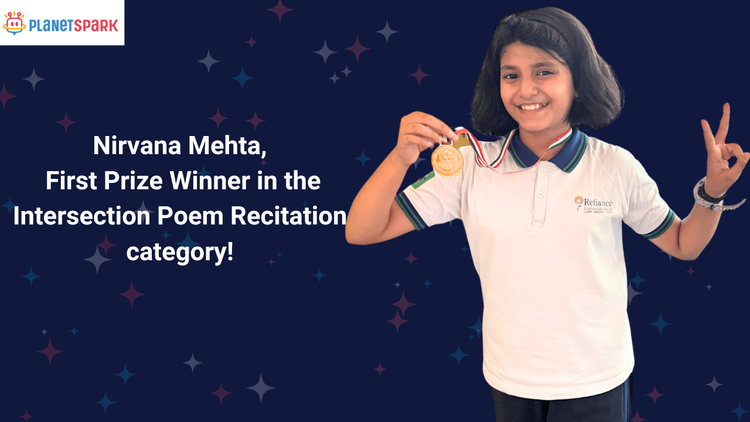
Nirvana Mehta (Wom Poem Recitation)
First Prize Winner in the Intersection Poem Recitation category
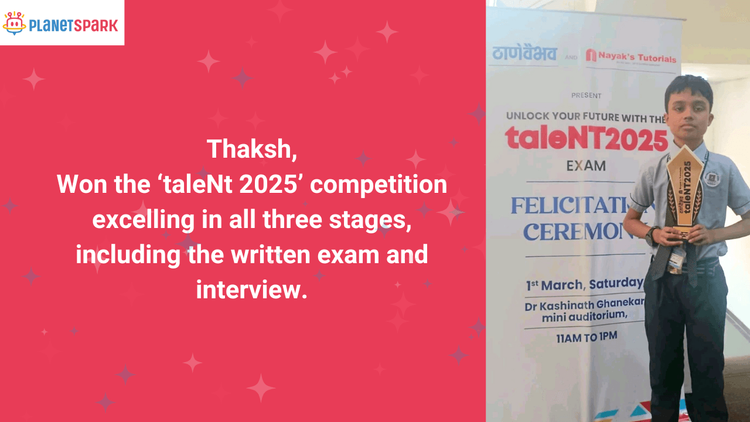
Thaksh (Won the ‘taleNt 2025’ competition)
Thaksh, won the ‘taleNt 2025’ competition in Thane after excelling in all three stages, including the written exam and interview.
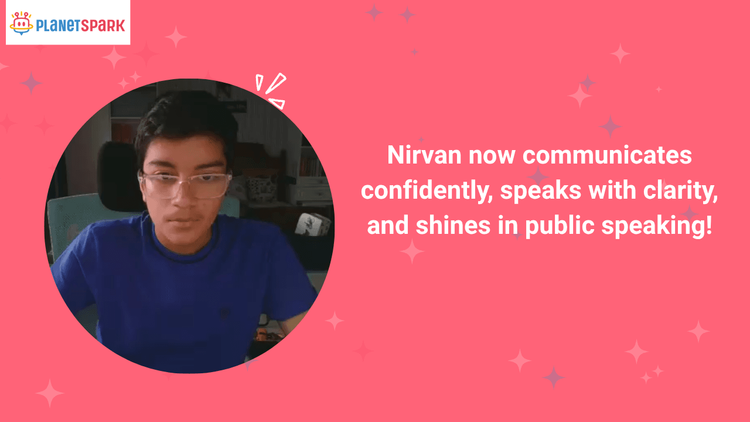
Nirvaan, Grade 9
Nirvan now communicates confidently, speaks with clarity, and shines in public speaking!
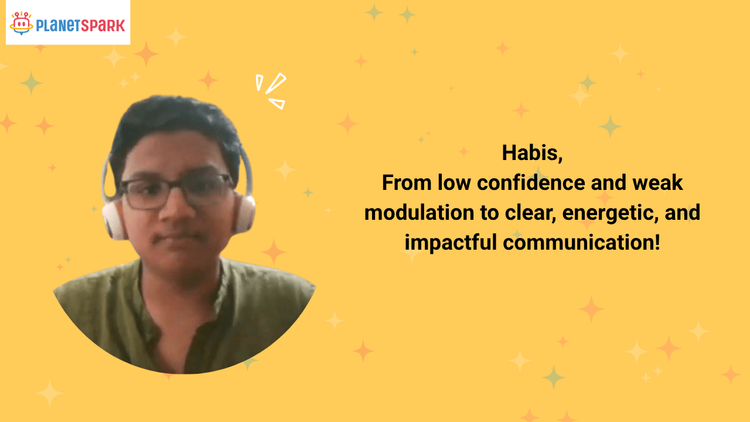
Habis, Grade 9
Meet Habis — once a shy speaker, now delivering every message with clarity, confidence, and strong stage presence.

Prathmesh (Got 3rd Prize in MUN)
Secured Third Prize at a Model United Nations event, reflecting his strong communication and critical thinking skills built at PlanetSpark.
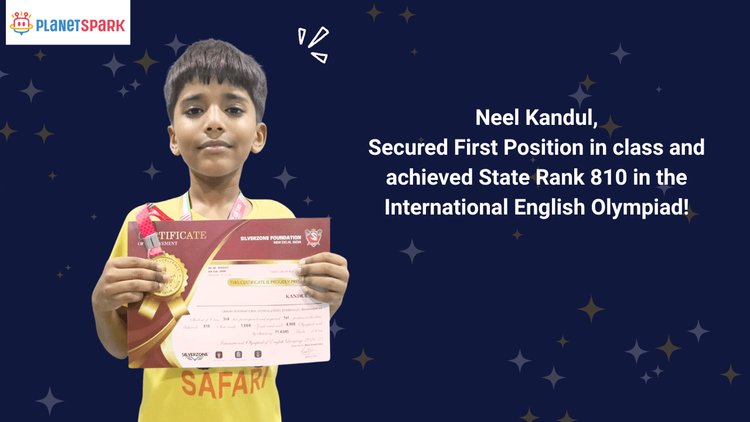
Neel Kandul, First Position in class and State Rank 810 in the International Olympiad of English Language.
First Position in class and State Rank 810 in the International Olympiad of English Language.
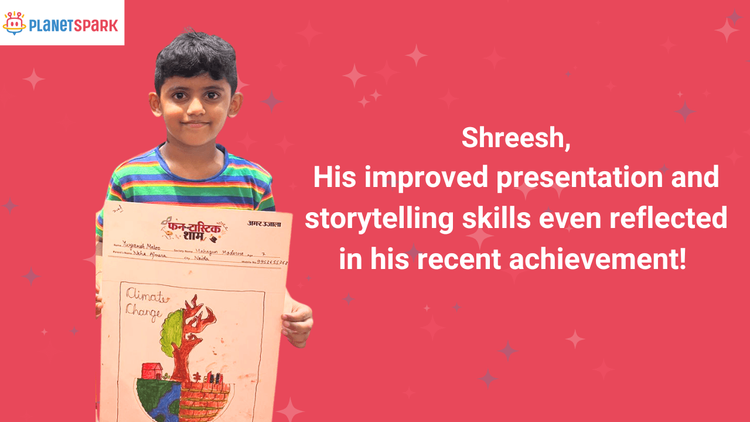
Shreesh
His improved presentation and storytelling skills even reflected in his recent achievement — winning second place in the Junior Category of a drawing competition on ‘Climate Change’ organized by the Amar Ujala team.
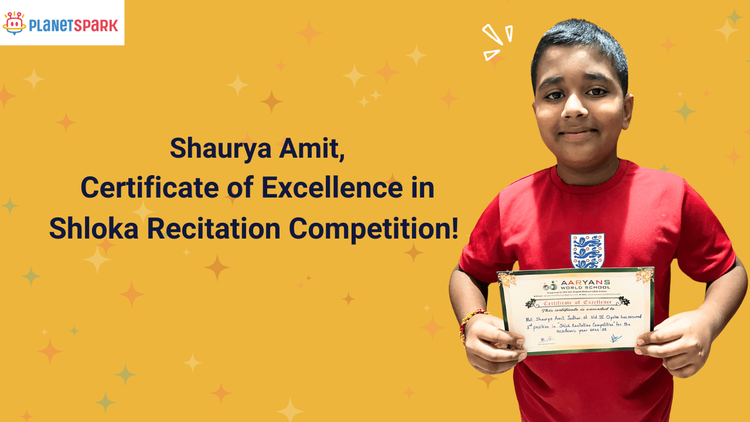
Shaurya Amit (Certificate of Excellence)
Certificate of Excellence in Shloka Recitation Competition
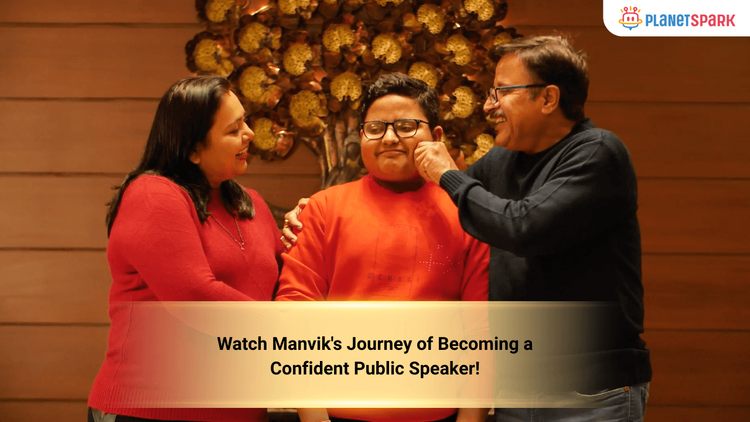
Manvik, 10 Years
Manvik Kumar, a student at PlanetSpark shares his story of becoming a confident Public Speaker.
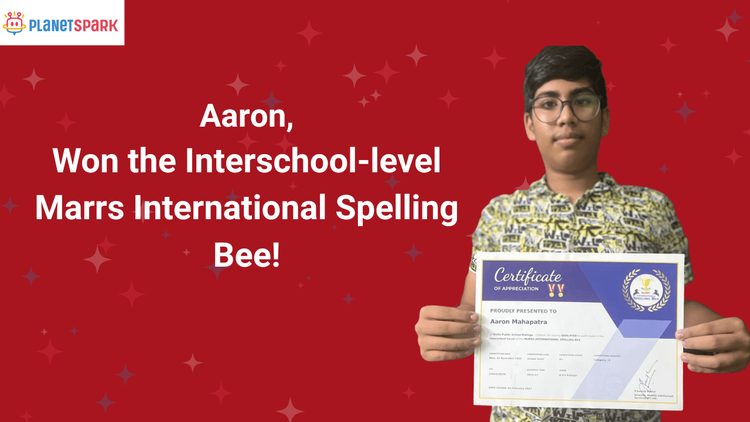
Aaron, International Spelling Bee Winner
Won at the Interschool-level Marrs International Spelling Bee, showcasing strong language skills and consistent PlanetSpark-driven growth.
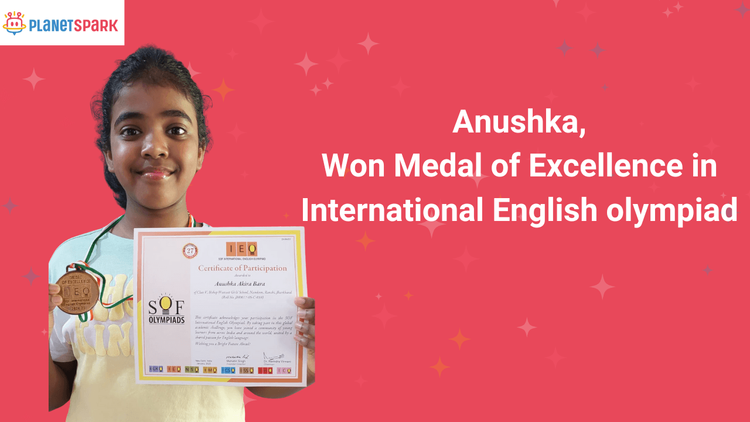
Anushka, Won Medal of Excellence in International English olympiad
Anushka won medal of excellence in International English olympiad. She scored sixth position in her school in olympiad.
Aryaman, Published Author
Aaryaman became a published author, reflecting his creativity, communication skills, and confidence nurtured at PlanetSpark.
Frequently Asked Questions
What are the Different Types of Tenses?
+In English grammar, tenses are categorized based on the time frame of the action. There are three major types of tenses:
What is Tense?
+Tense is a grammatical concept used in English to express time. It helps indicate when an action or event occurs, whether it is happening now, happened in the past, or will happen in the future. In simple terms, tense is reflected in the verb form and allows us to situate actions within a time frame. For example:
What is the Future Tense?
+The future tense is used to indicate an action that has not yet occurred but is expected to happen in the time to come. It can describe events, plans, assumptions, and predictions.
There are four types of future tenses:
How to Learn Class 8 English Tenses Easily?
+Mastering tenses in Class 8 becomes much easier when you break down the rules, practice regularly, and engage with interactive lessons. One of the best ways to learn is to: